- Blind
- Posts
- Aerial Witness: Documenting Western Water Disasters
Aerial Witness: Documenting Western Water Disasters
Evan Anderman is a Denver-based photographer whose aerial work offers scientific insight and visual inquiry. Trained as a geologist and flying his own small aircraft, he photographs landscapes shaped by industry and ecological limits, revealing patterns of use and depletion that are often invisible from the ground.

Wednesday March 25, 2026
Summary |  |
• Tips: Aerial Witness: Documenting Western Water Disasters
• Exhibition: Simon Vansteenwinckel, Dances with Shadows
• Book: Thomas Hoepker, Image Maker
• Book: Who Needs Poetry?
• Archives: Images Under Influence: How AI Has Slipped Into Our Everyday Photography
• Archives: Fred Ritchin On AI: “We Can Now Easily Remake the World in Our Own Image”
 |

Evan Anderman is a Denver-based photographer whose aerial work offers scientific insight and visual inquiry. Trained as a geologist and flying his own small aircraft, he photographs landscapes shaped by industry and ecological limits, revealing patterns of use and depletion that are often invisible from the ground.
By Evan Anderman & Amber Terranova
 |
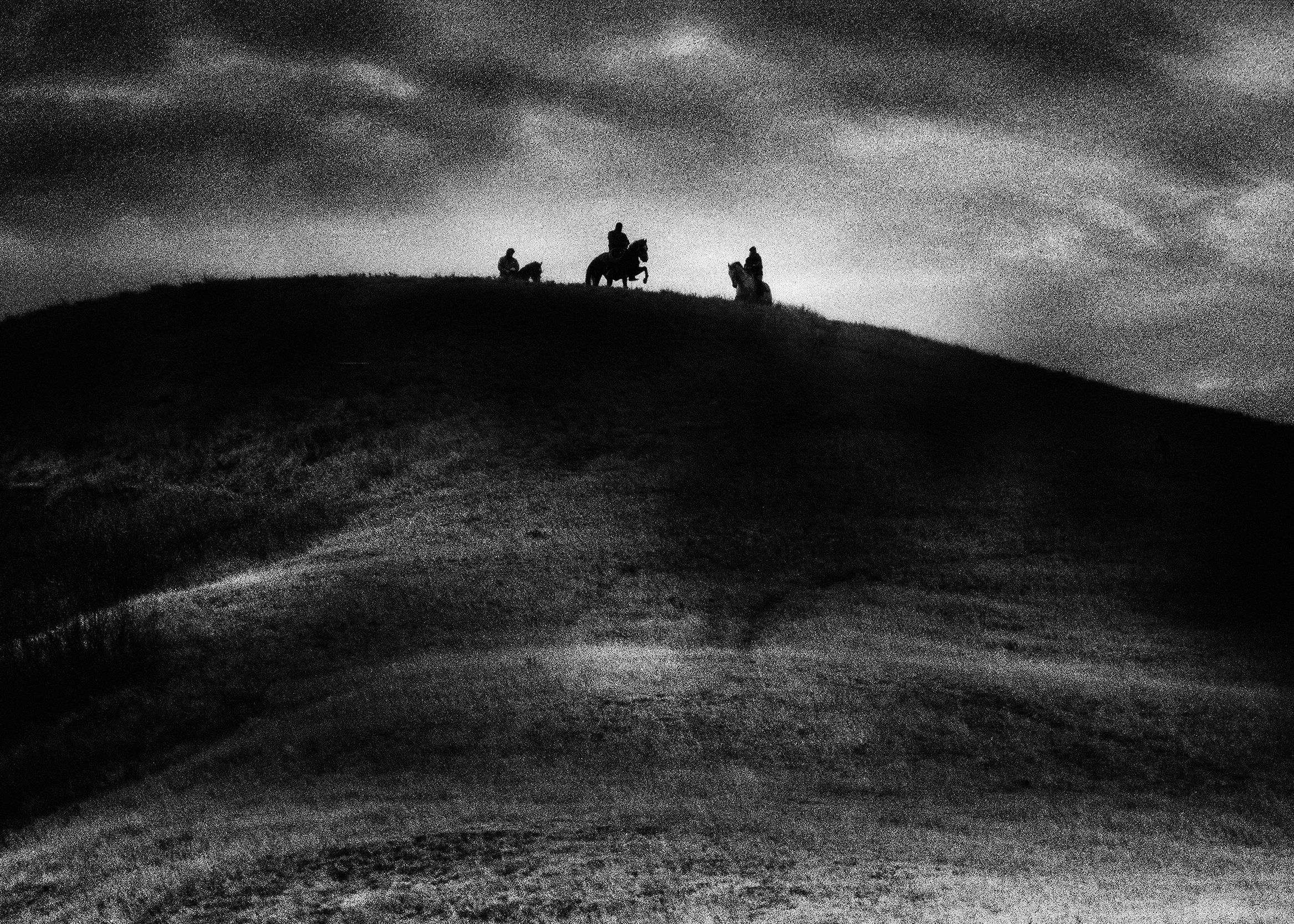
“Aux Ombres” is a silver-screen western of spectral beauty about the Lakota rides, now showing in Brussels.
By Guénola Pellen
|
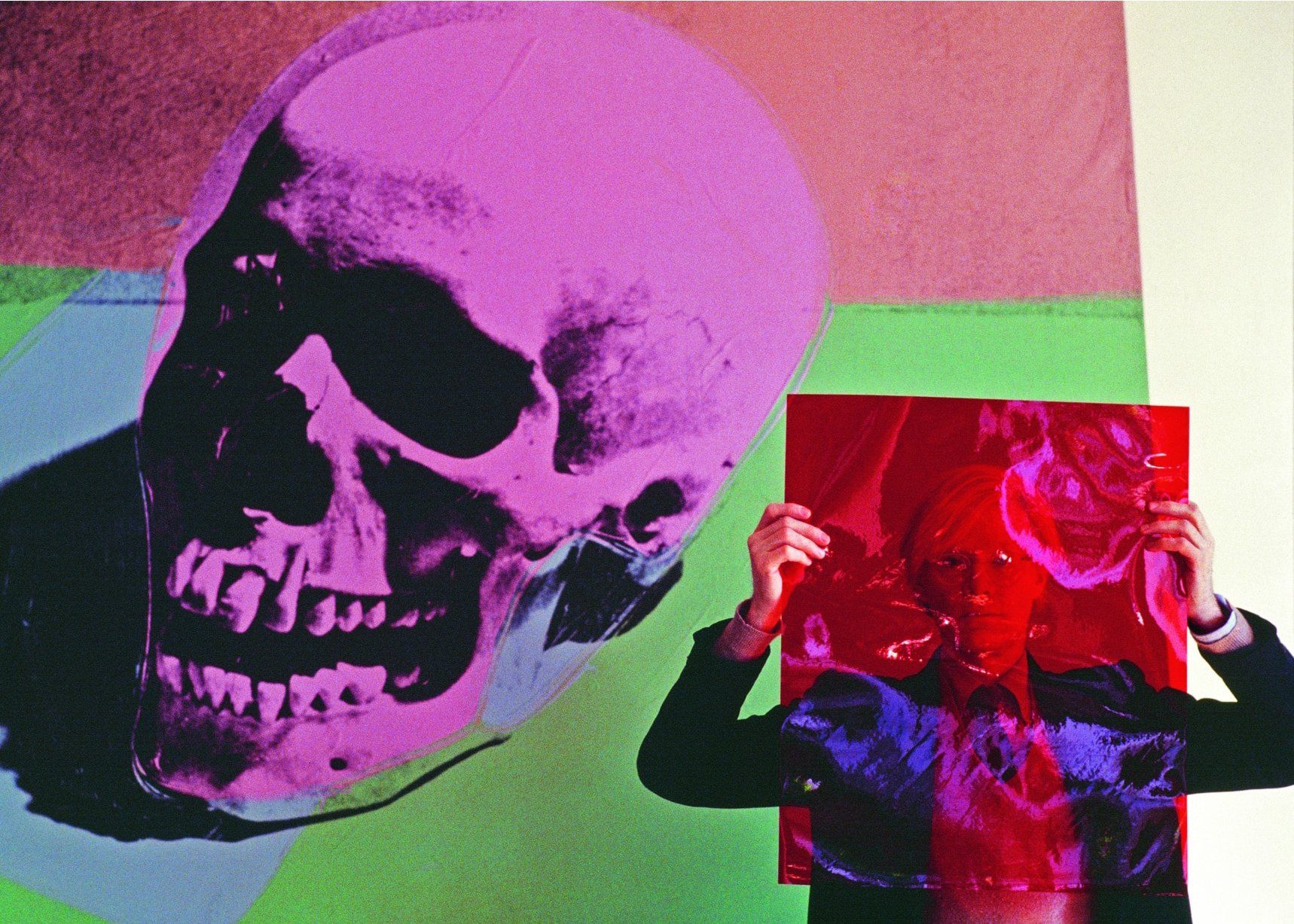
In June 1954, a Hamburg photography critic named Fritz Kempe wrote to a young high school student advising him to find a different career than photography. The student’s name was Thomas Hoepker. He was eighteen. Seventy years later, Stories of Humanity brings together nearly two hundred of his images in a retrospective published by teNeues.
By Jonas Cuénin
|
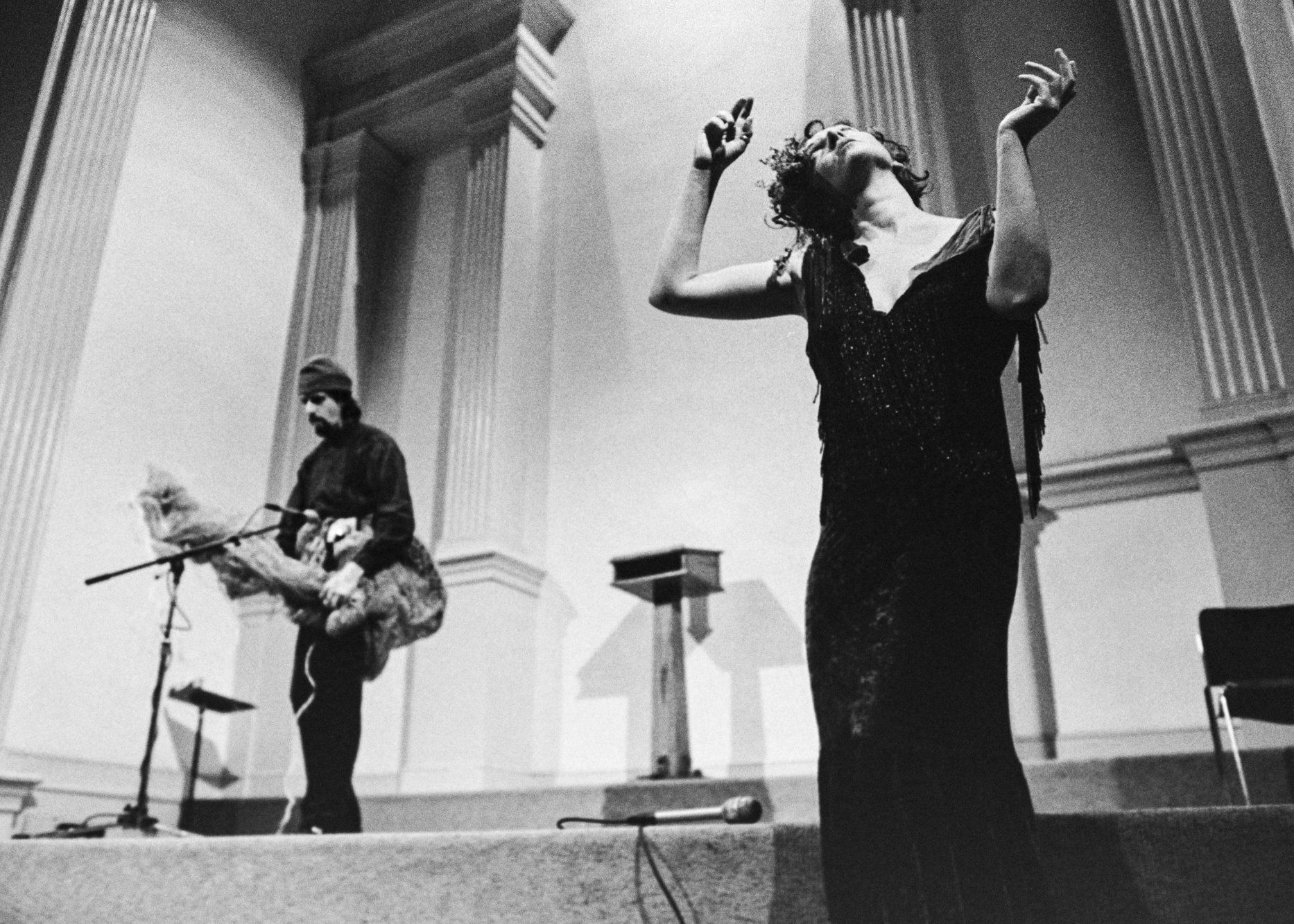
Photographer Lina Pallotta was taken in as family within New York City’s underground poetry circles of the 90s and 2000s. Decades later, her book Tongue on Flames reflects on the legacy of that community, and on what it can still offer today.
By Gaia Squarci
 |
 |  |
 |
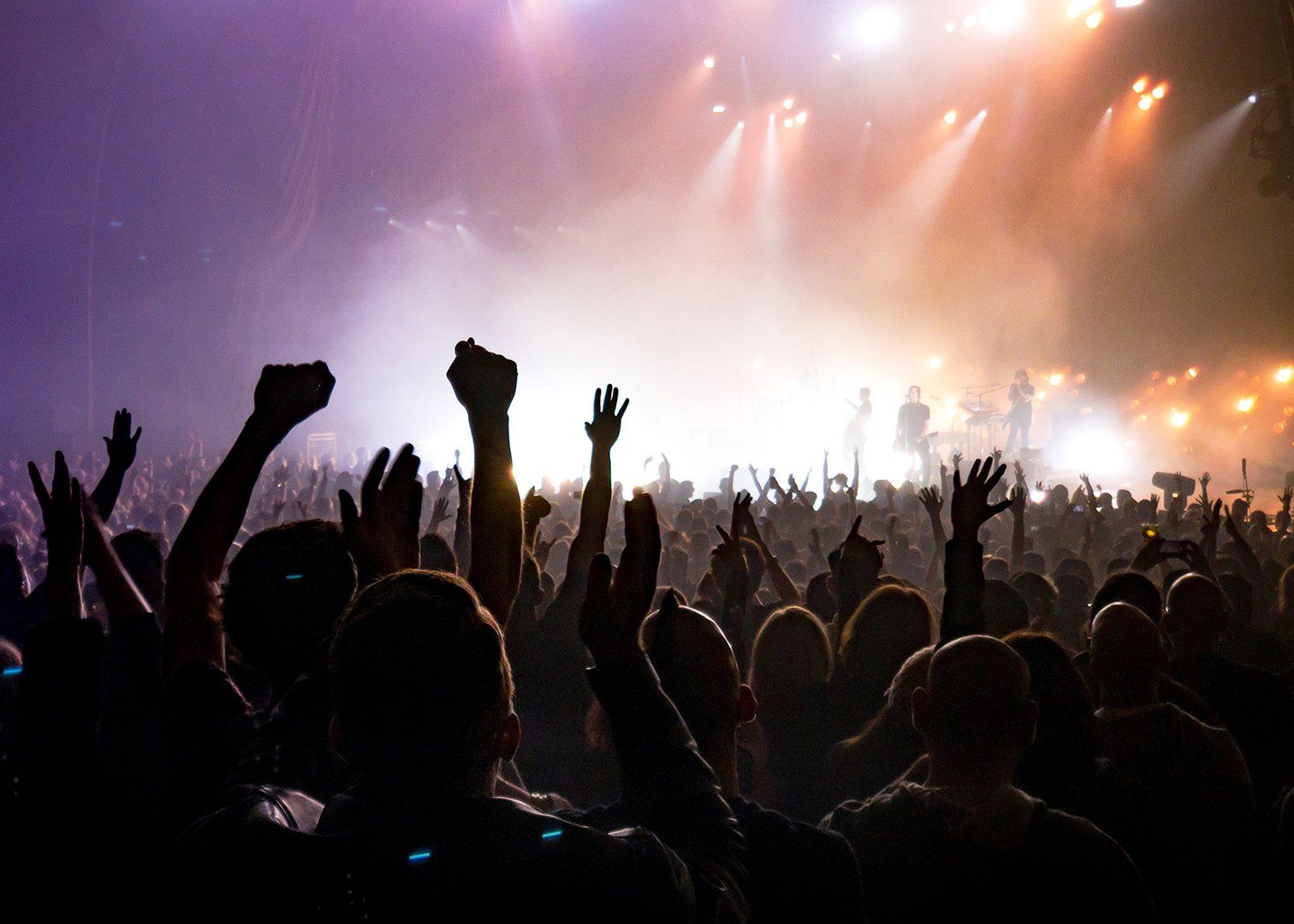
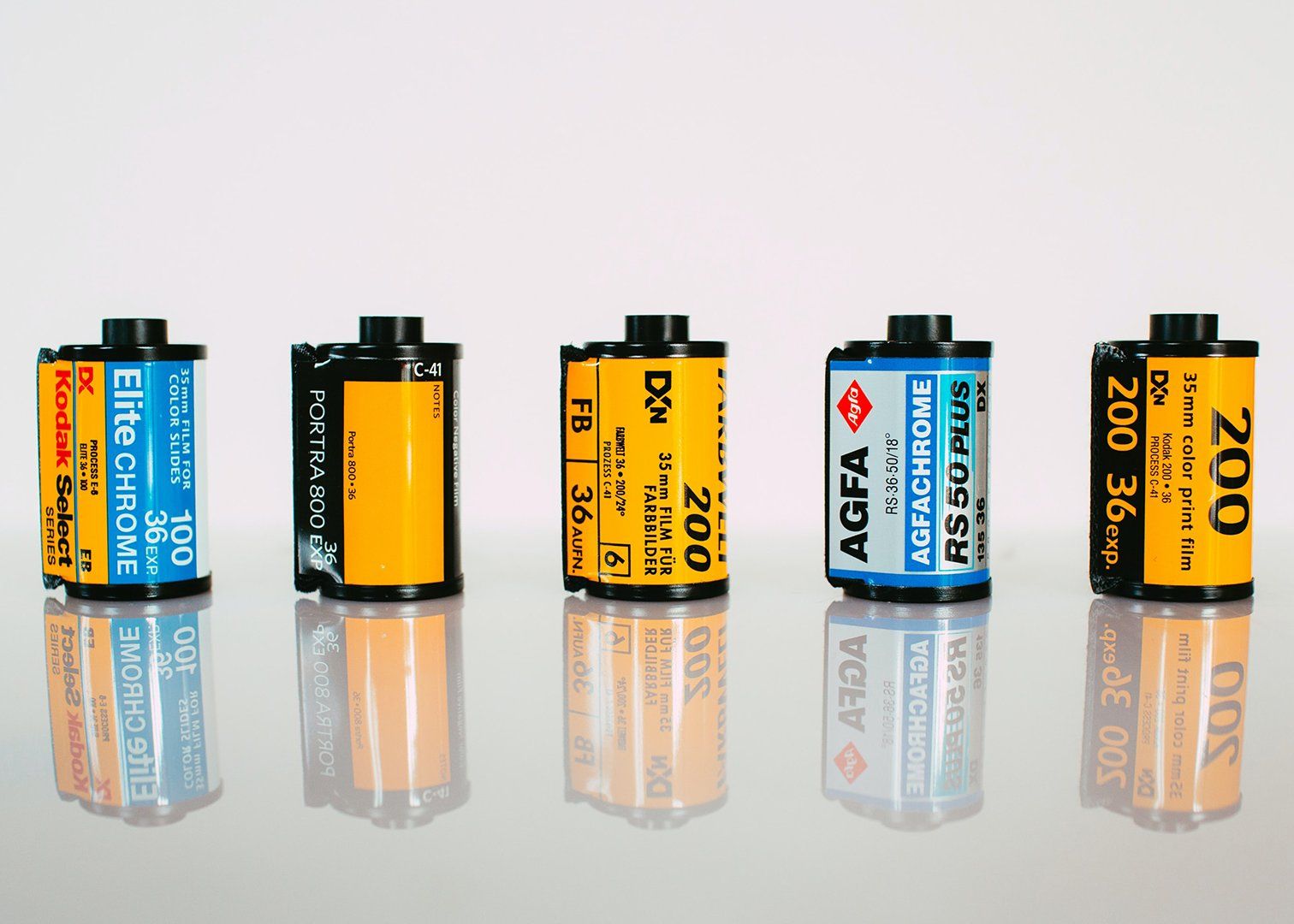
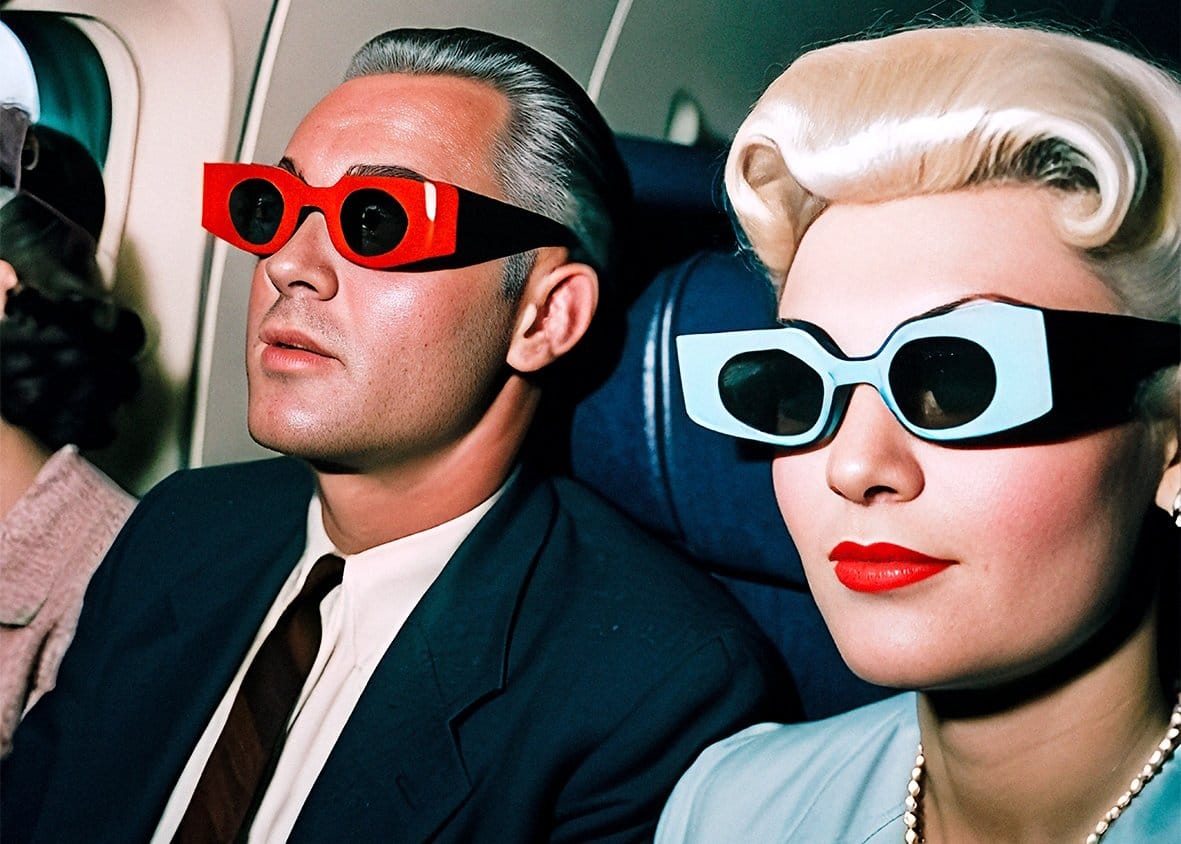
2025 is the year of the rise of artificial intelligence. While remaining unsettling, it has quietly infiltrated the very practice of photography, influencing aesthetic choices, enriching visual narratives, automating tasks once performed manually, and opening new narrative territories—for amateurs and professionals alike.
By Jonas Cuénin
 |
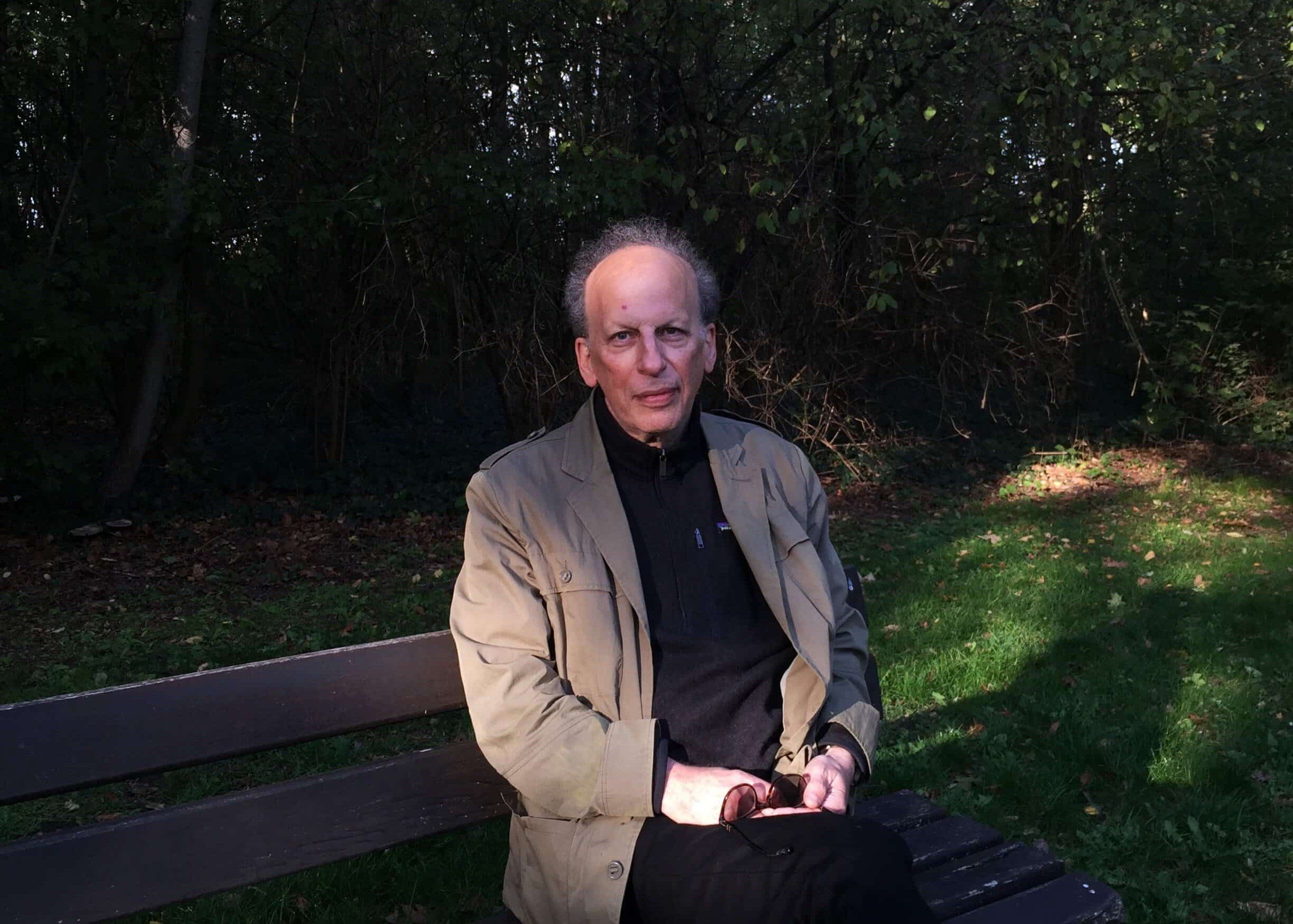
Today, writer and educator Fred Ritchin sees that contract collapsing under the weight of synthetic imagery. AI-generated visuals borrow the codes of photography — depth of field, grain, natural light — yet they refer to nothing lived, nothing witnessed. They encourage, he says, a new epistemology: images that “reflect our own conceptions of the real,” replacing the world with our fantasies.
By Jonas Cuénin
 |
Blind supports the production of visual stories and invites all photographers to submit their portfolios.
Please send us your work at: [email protected]
